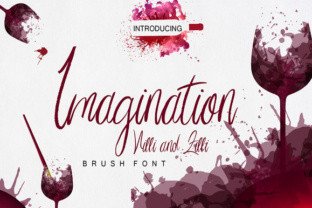
Imagination: A Brush Font for Digital Branding
In the crowded landscape of web design, typography is often the first element that communicates a brand’s personality before a user reads a single word of copy. As digital creators, we are constantly balancing aesthetic appeal with functional clarity. This is where Imagination, a beautiful brush font from Script Amp, becomes an invaluable asset in our toolkit. It is not merely a decorative typeface; it is a strategic design element that can elevate headers, hero sections, and brand identities across various digital platforms.
When we talk about modern typography, we often default to clean sans serif fonts for body copy because of their legibility on screens. However, a website or landing page that relies solely on neutral typefaces can sometimes feel sterile or indistinguishable from competitors. Integrating a high-quality script font like Imagination introduces warmth, human touch, and visual rhythm. It breaks the grid just enough to capture attention without sacrificing the professional structure required for conversion-focused layouts.
Enhancing Visual Hierarchy in Web Layouts
Visual hierarchy guides the user’s eye through a page, telling them what is important and in what order. Imagination excels as a display font for top-level headings. Its brush strokes carry a natural energy that contrasts sharply with structured geometric sans serif fonts. When used in a hero section of a landing page, it creates an immediate focal point. This contrast helps users scan content more effectively, as the brain naturally gravitates toward unique shapes and organic forms.
For UI designers working on app screens or SaaS dashboards, whitespace is critical. Imagination allows for expressive titles that do not require excessive padding or large font sizes to make an impact. The fluidity of the letters means you can achieve a bold statement with fewer pixels, preserving valuable screen real estate for interactive elements and call-to-action buttons. This balance is essential for maintaining a clean interface while still injecting brand character.
Strategic Applications Across Digital Products
The versatility of Imagination extends far beyond simple headers. For online store owners, this font can transform product banners and promotional graphics. Imagine a boutique selling handmade ceramics or organic skincare. Using Imagination for sale announcements or limited-edition labels adds a layer of authenticity and craftsmanship that standard system fonts cannot replicate. It signals to the customer that there is a human behind the brand, fostering trust and emotional connection.
In the context of course pages and educational platforms, readability and engagement are paramount. While long-form content should always remain in a highly legible serif or sans serif font, Imagination can be used effectively for module titles, certificate designs, and testimonial highlights. It adds a celebratory tone to achievement markers, making the learning experience feel more personal and rewarding. Similarly, for coaching websites or portfolio sites, using this font for personal signatures or introductory quotes can strengthen the creator’s personal brand identity.
- Hero Sections: Use for main headlines to create immediate emotional impact.
- Call-to-Action Areas: Pair with simple buttons to draw attention to key conversions.
- Social Media Graphics: Ideal for quote cards and story overlays where space is limited.
- Digital Ads: Helps banner ads stand out in crowded social feeds.
Readability and Responsive Design Considerations
One of the primary concerns when using a handwritten font on the web is readability, particularly on mobile devices. Imagination is designed with clear letterforms that maintain integrity even at smaller sizes, but best practices still apply. For responsive layouts, it is crucial to adjust line height and letter spacing. Unlike monospaced fonts, brush scripts have varying widths, so tight kerning can cause letters to collide on narrow screens.
When designing for mobile, consider using Imagination only for short phrases or single words in navigation bars or small buttons. For larger blocks of text, always revert to a supporting sans serif font. Additionally, contrast plays a significant role in digital accessibility. Imagination performs well on both light and dark backgrounds, but ensure there is sufficient contrast between the font color and the background image or solid color. If placing text over complex images, use a semi-transparent overlay to ensure the brush strokes remain distinct and legible.
Effective Font Pairing for Brand Consistency
A script font rarely stands alone in a comprehensive brand identity. The key to professional web design is pairing Imagination with complementary typefaces. Since Imagination has a lively, organic feel, it pairs exceptionally well with minimalist sans serif fonts. This combination creates a modern, editorial look that is popular in contemporary web design. The simplicity of the sans serif grounds the expressiveness of the script, ensuring the overall design feels balanced rather than chaotic.
For brands aiming for a more traditional or luxurious feel, pairing Imagination with a classic serif font can create an elegant, high-end aesthetic. This approach works well for wedding invitation websites, luxury goods stores, or legal and financial consultants who want to appear approachable yet authoritative. The serif font provides stability and tradition, while Imagination adds a touch of creativity and modern flair. Always test these pairings across different devices to ensure the visual weight of each font complements the other without competing for attention.
Licensing and Technical Implementation
Before integrating any premium font into a client project or personal website, understanding licensing is crucial. Imagination is a commercial font, meaning it requires appropriate licensing for web use. For web designers and agencies, this typically involves purchasing a webfont license that covers the specific number of page views or domains. Ensuring you have the correct rights prevents legal issues and supports the creators who develop these design assets.
From a technical standpoint, check the file formats provided. Modern web performance relies on efficient loading times, so having access to WOFF or WOFF2 formats is beneficial. These compressed formats ensure that the font loads quickly without blocking the rendering of the rest of the page. Slow-loading fonts can negatively impact user experience and SEO rankings, so optimizing your font stack is a necessary step in professional web development.
Ultimately, Imagination offers more than just aesthetic value; it provides a tool for storytelling. Whether you are designing a landing page for a new product, creating a digital brand kit, or refreshing an online store, this font allows you to inject personality and professionalism simultaneously. By using it strategically within your visual hierarchy and pairing it thoughtfully with supporting typefaces, you can create digital experiences that are not only beautiful but also effective in driving user engagement and conversion.